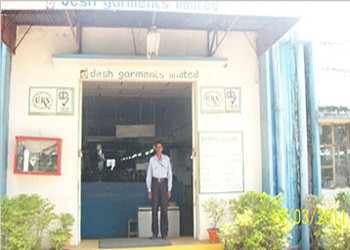
Desh Garments Ltd.
Compliance
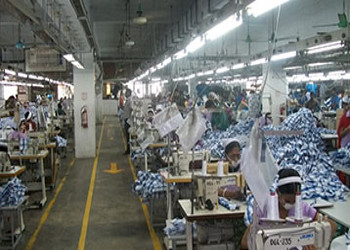
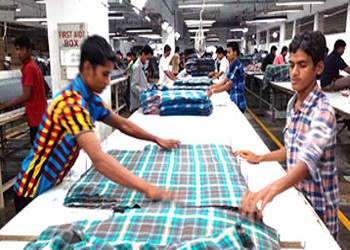
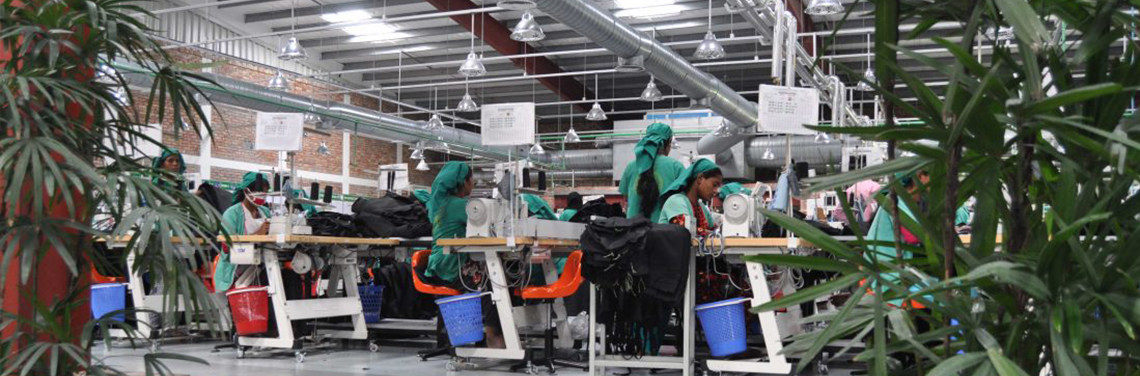
Desh Garments believes that our employees are entitled to work in safe, comfortable conditions. We strive to make excellent products while respecting our factory workers’ rights and the environment. By promoting fair labour practices and an eco-aware consciousness, we believe our actions are having a positive impact. We’re in the process of adopting the ISO 9001:2015 quality management system of standards – a production method that helps us deliver consistently outstanding products to our customers. Desh Garments is proud to comply with the following social accountability organizations and initiatives:
- The Bangladesh Accord Foundation
- AFBWS (Alliance for Bangladesh Worker Safety)
- BSCI (Business Social Compliance Initiative)
- WRAP (Worldwide Responsible Accredited Production)
The Bangladesh Accord Foundation
The Foundation vets Desh Garments as a supplier that conforms to satisfactory workplace conditions in the areas of factory inspection, remediation, health and safety, and training of workers. The Accord on Fire and Building Safety in Bangladesh is a five-year, legally binding, signed agreement between global clothing brands and trade unions. It was created in the wake of the Rana Plaza disaster in 2013 that saw 1000 workers lose their lives when the factory they were working in collapsed. The purpose of the Accord is to foster a safe, strong ready-made garments industry in Bangladesh.
AFBWS (Alliance for Bangladesh Worker Safety)
AFBWS was begun by North American clothing companies, brands, and retailers who have joined forces to create the Bangladesh Worker Safety Initiative. The initiative is a five-year project that aims to improve workers’ safety in ready-made garments factories in Bangladesh. The 27 companies that make up the Alliance import most of Bangladesh’s ready-made garments exports to North America – from more than 650 factories!
BSCI (Business Social Compliance Initiative)
Spearheaded by businesses, BSCI supports retailers, importers, and brands to improve workplace conditions. The initiative believes in sustainable supply chains, where companies comply with national labour legislation and ILO Conventions that protect workers’ rights. BSCI provides companies a methodology (not an auditing or accreditation system) to improve conditions in their workplaces.
WRAP (Worldwide Responsible Accredited Production)
Based in the United States, WRAP has offices worldwide including Bangladesh. WRAP’s 12 Principles are based on ILO Conventions and cover employee management, health and safety, and the environment. WRAP’s Certification Program uses a monitoring and accreditation process to make sure that garments are produced in lawful, humane workplace conditions.